Energy Digital Twins
 Jon Baars
Beyond Today's Digital Twins
Digital twins are being widely considered for telecom infrastructure, including for radio network modeling and optimization, as well as for managing tower infrastructure and physical assets.
That work is important, but this post is about energy.
New methods are enabling visibility into energy behavior across live telecom networks that hasn't existed before. The resulting energy data parallels and enhances the digital twin work described above.
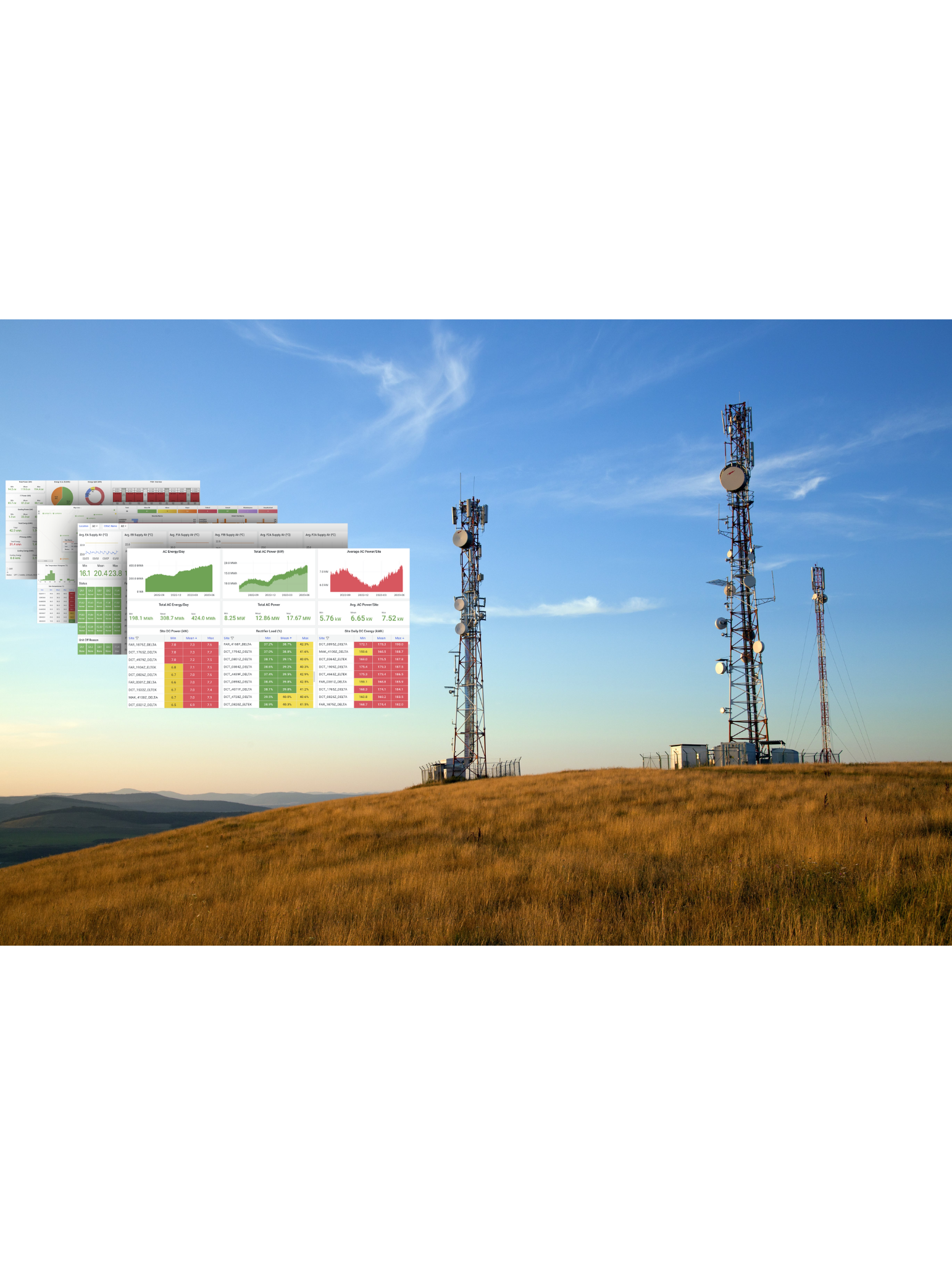
An Energy Digital Twin
An energy digital twin promises a continuously synchronized view of how power is consumed across a network. In theory, it would explain where, how, and why energy behaves over time, enabling benchmarking, optimization, long-term efficiency gains, modelling, as well as even controlling managed energy systems.
One highly desirable outcome of radio network modeling is FOR radio energy optimization, but measuring complete energy usage is a relative afterthought to the exact methods radio vendors are using to make their radios more energy efficient. Additionally, even if energy usage is measured within a vendor's toolset, nobody is expecting Radio Vendor A to measure efficiency of Radio Vendor B's equipment, or vice versa.
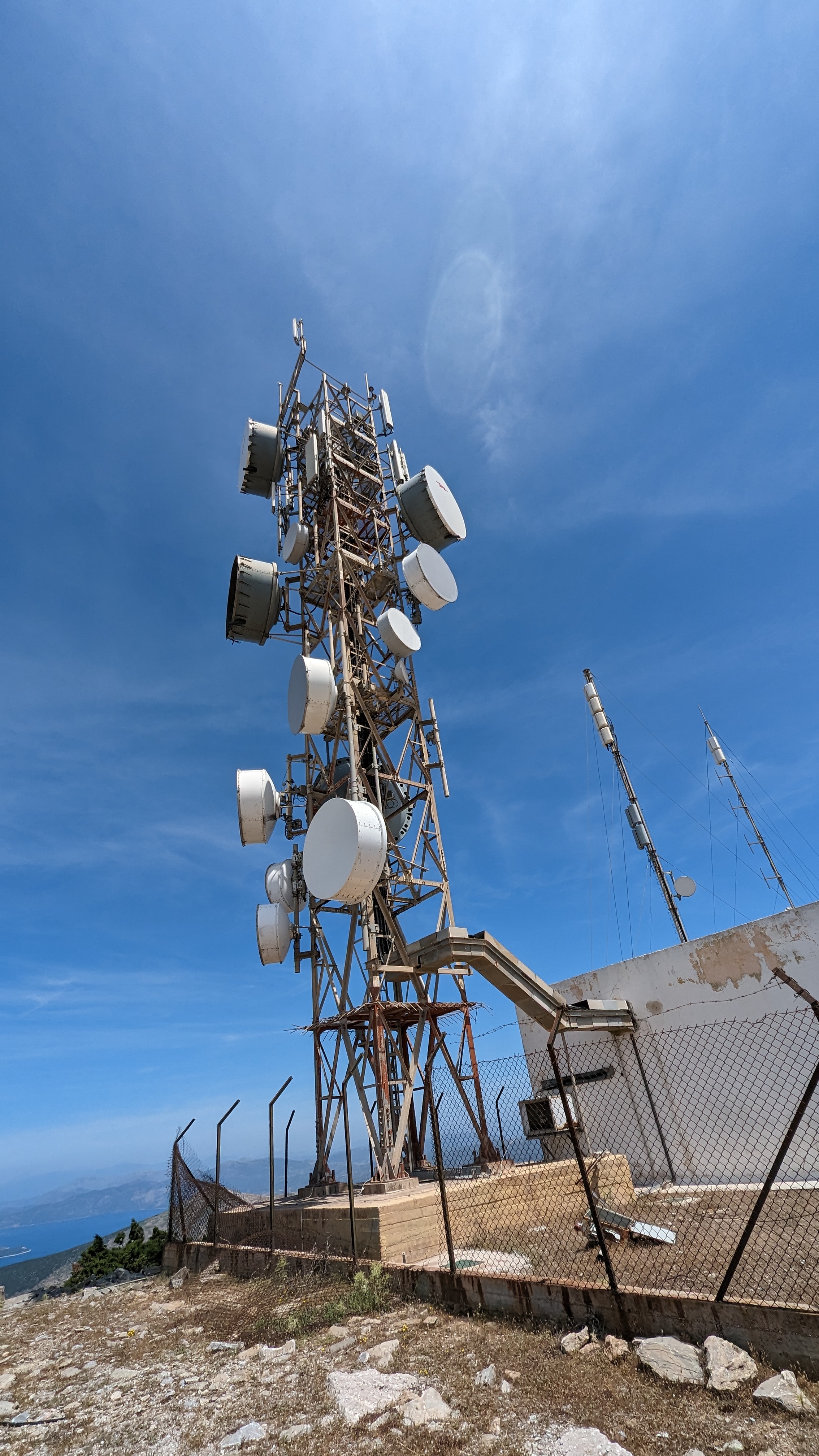
In a tower infrastructure digital twin, if you have all your physical tower assets mapped along with other valuable data, why wouldn't you want to enhance the value of those systems by adding energy data to these models?
An energy digital twin is a natural addition and fit alongside other digital twins in the network.
An energy digital twin is a compelling vision that has been constrained by technological and business-related issues, but new methods enable MOST of the benefits of an energy digital twin today.
Energy is Different
Energy doesn't behave like a physical asset.
Across a wide range of telecom network remote cell tower sites and operator-owned data centers:
Energy changes constantly, so telemetry data must be gathered constantly.
- Energy hardware assets themselves are often "smart" and create needed data about themselves.
- Brownfield networks contain many different vendor's energy equipment that don't adhere to standards on how telemetry data is reported.
- It isn't cost-effective to replace or add hardware or software to try and solve the problem.
- Benefits can only be realized if energy data is observed over time.
- AI usage is imminent.
Due to these factors, energy data today is either:
- Limited to minimal and infrequent alarm/fault data (not telemetry data), or
- Locked inside vendor-specific observation tools.
While other digital twins are maturing, the possibility of energy digital twins has barely been considered.
What Has Changed?
Advances in data streaming and open-source time-series platforms have changed what is possible. These tools are rapidly transforming ALL industries as their adoption is a natural first step to AI adoption. In many cases these tools are being applied first to legacy data problems. "How do we convert existing data and existing processes into something workable within real-time data streaming architecture."
What isn't as visible, is how real-time data streaming tools are enabling NEW data that hasn't existed before and is creating entirely new applications.
It is now feasible within a telecom network to:
- Collect high volumes of energy telemetry continuously.
- Write proprietary vendor management interfaces to new vendor-neutral standards by equipment class (DC plant, batteries, generators, meters, etc).
- Move and retain this new data efficiently.
- Accomplish a project at a lower cost and better end result than proprietary legacy solutions.
Instead of occasional manual energy audits or relatively small amounts of energy faults, operators can now observe energy as a living system, minute by minute, across thousands of sites. This scale of data hasn't existed before for telecom operators before these new tools have made it possible. Our use of the tools has been evolving over years as the tools have improved. As opposed to gathering relatively tiny amounts of energy related faults, we will gather:
- 30K+ records a minute in a medium-sized telecom data center. 15B+ records a year per facility.
- 50-100 records per 1-3 minutes, per cell site location. 1000 sites at 75 records per year on one minute intervals is close to 40B records.
This shift does not create a digital twin on its own, but it makes something that never existed before possible: continuous visibility into real energy behavior at network scale.
ClaritechIO’s role
This isn't by definition a full energy digital twin of a telecom network. We believe that the data aquisition method we are describing is something that will eventually be adopted by all telecom networks, and we don't want to slow this adoption by over-promising anything that isn't currently possible.
What IS possible now is to build a cost-effective data pipeline foundation an energy digital twin would require, including:
Vendor-neutral energy telemetry pipeline infrastructure across live telecom networks and operator data centers.
High volumes of standardized data by equipment class, not by vendor—rectifiers, batteries, cooling, generators, AC and DC meters, PDU's - as well as standardizing data from many IoT/RMS/RTU/AC meters/fuel measurement devices from past, frequently partially completed, energy measurement projects.
Ongoing and historical data that supports "digital twin-like" abilities, providing an initial "living" model of energy usage in a network and being fully compatible with future digital twin ambitions.
At a lower cost than other methods like IoT/RTU/RMS/AC metering systems, and creating enough direct energy savings to immediately pay for themselves.
ClaritechIO provides standardized energy data as a service to telecom operators as we believe this provides the maximum benefit to users and gives the most flexibility to users to choose how to best use this new data.
Conclusion - Data Foundation for Energy Digital Twins
Energy data is meaningful when observed continuously over time. Until recently, this was not feasible across live telecom networks. Accurate, standardized energy data is essentially "neutral". It could be used directly by telecom operators, by other vendors, or by anyone who might be able to create something valuable from it. We are open to helping anyone understand this method better.
Modern data streaming now makes continuous, vendor-neutral energy telemetry possible at network scale. This is not an energy digital twin—but it is the foundation one requires.