Why Network Energy Problems Go Unsolved - And How To Fix Them
 Jon Baars
The Problem Is Your Network!
There are good reasons networks were built the way they are, but those reasons don’t make it any easier when your job involves network:
- Efficiency — Reducing energy usage when all you have are utility bills for data.
- Reliability — Keeping your network running during hurricanes, fires, or floods with only a handful of major/minor alarms to rely on.
Why Can't You Do Network-Wide Energy Management?
You can't manage what you can't measure. Networks are complicated. They've been built over many years and often have been created out of different networks being consolidated. Power management within these networks is particularly challenging due to limited visibility into telemetry data about key components such as grid power/AC meters, DC plant, batteries, PDU’s and backup generators.
The key reasons for this lack of visibility include:
- Networks Weren't Designed for Energy Management
- Building networks using multiple power equipment vendors ensured competitive pricing and supply chain security, but complicates network management. Each vendor’s equipment reports on itself differently, with no standardized data format. Goals of your Purchasing department are somewhat at odds with the goals of your Operations department. Purchasing would like to buy the most competitive equipment anywhere they can find it, BUT it would be best for network management if you had one vendor supply 100% of your needs.
- Vendor Goals Conflict with Customer Needs
- While vendors provide ever-improving network management solutions for their own equipment, their product improvements primarily focus on differentiating their equipment and network management from competitors rather than creating standardized data reporting for their customers.
- Legacy Software and Processes
- Network operations rely on long-standing software tools (EMS, NMS and OSS). These systems handle fault detection from power equipment but were not designed to integrate advanced power monitoring. In most cases, even if they DO implement energy management, they only do it for a single vendor's equipment.
What Does the Network Look Like Today?
Modern Networks:
- Are Complex
- They include both active service equipment (e.g., RRUs, servers, routers) and passive power/cooling equipment (e.g., DC plant, HVAC, backup generators). Each class of equipment has varying models, firmware, and reporting capabilities.
- Have Significant Embedded Computing Power
- Smart controllers are common on many pieces of equipment, which can produce valuable data and are widespread throughout the network, but this intelligence is underutilized and resulting data is siloed by manufacturer.
- Use Established Software and Processes
- There are already numerous software tools available in the network. These tools are difficult and undesirable to replace due to both direct cost, but also indirect costs of disrupting processes that are tied to these systems.
Traditional Solutions
Traditional solutions for network power management attempt to address these issues but come with their own challenges:
- Hardware Only
- Smart Controllers - Often there are smart controllers on many power producing or consuming devices like DC plant, HVAC, PDU's, and generators, but despite containing valuable data, most are used only for basic alarming.
- RTU’s - Intelligent remote terminal units (RTUs) collect data from site controllers and can do some “normalization” of data, but are overkill if they are only being used to query other smart devices. Each make of RTU is its own new data silo.
- Smart Meters/Smart PDU’s - Can provide valuable data, but the data is more valuable if combined with data from other equipment from the site.
- Hardware + Software
- IoT or Building Management Systems - These solutions are sometime used, but are not really a fit in many telecom networks.
- Proprietary Systems - Vendor-specific software plus hardware can limit interoperability and restrict data to closed platforms. While some systems claim AI capabilities, they often prevent future integration with open AI tools.
- Element Management Software (EMS) - Vendor-provided EMS solutions are designed to manage groups of smart controllers, but are only really practical for tasks like firmware updates because they lack cross-vendor compatibility and silo data by manufacturer.
Traditional solutions often fail due to:
- Large Size — Customers prefer minimal hardware or even software-only solutions and are not trying to add large new solutions and new complexity to the network.
- Deployment Speed — Deploying new hardware across all sites can take years.
- Cost — High upfront expenses deter widespread adoption.
- Proprietary - Many solutions don’t work with the existing hardware and software you have and require you add or replace elements of your network to work.
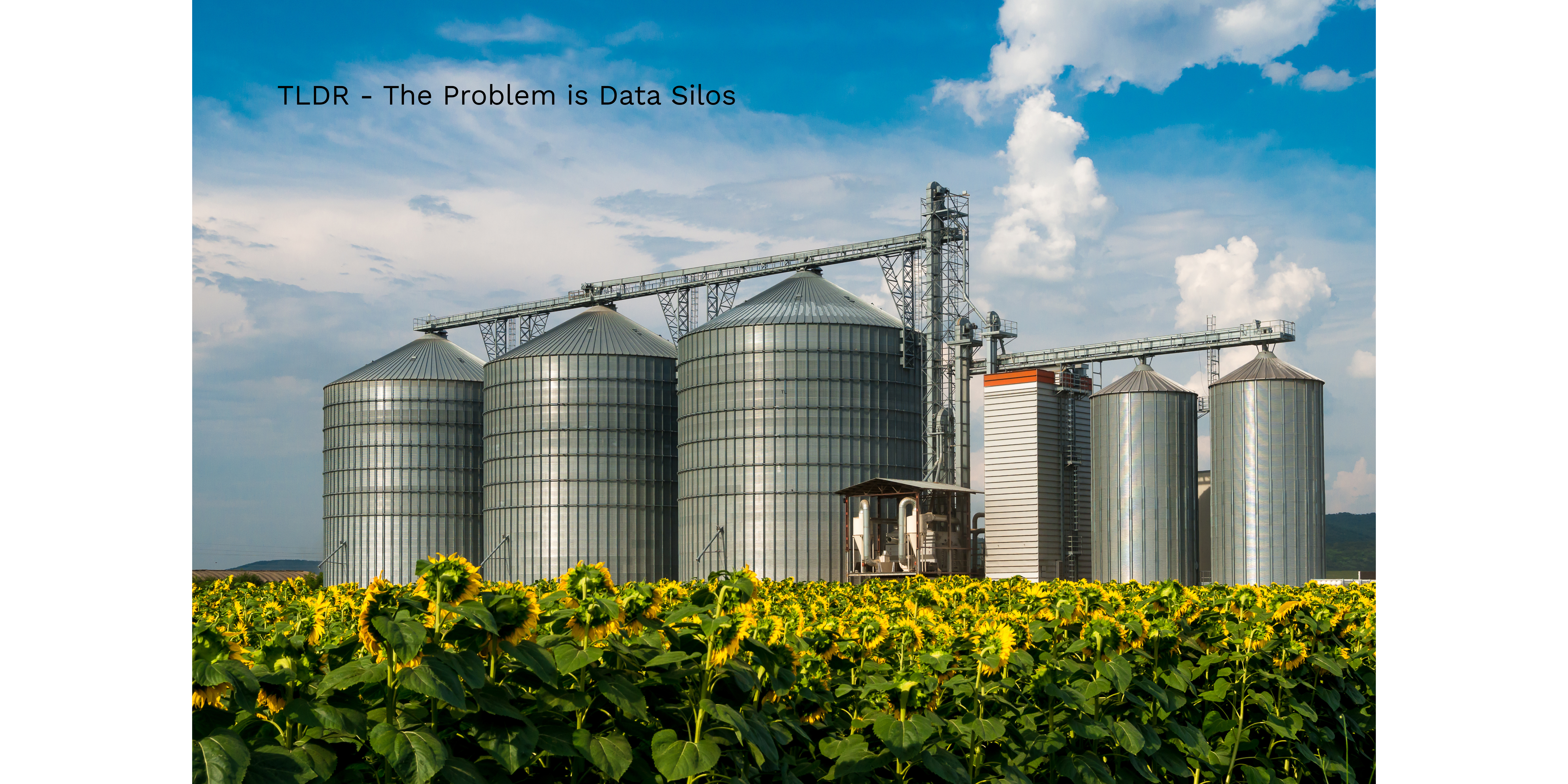
- Data Silos - Each of the traditional solutions results in a data silo that directly works against you being able to do energy efficiency for your entire network in an
"apples to apples" or "common denominator" fashion. It is almost non-existent that traditional solutions are deployed across 100% of network sites.
The Future - Why Are New Solutions Emerging?
Many network operators recognize the potential of newer open-source data pipeline tools, but lack the resources as well as the time and cost to do trial and error to refine them into effective solutions. The best approach involves:
- Examining what data is available in the network now from existing smart devices.
- Smart devices might be smart controllers on a piece of power equipment like a DC plant, battery, or generator, or it could be a previously deployed piece of equipment like an RTU or IoT device.
- Using proven open-source tools to standardize data across all existing equipment, including standardizing from existing legacy RMS or other traditional systems.
- Using proven open-source tools to deliver data accurately and reliably.
- Leveraging open-source tools to analyze the resulting data.
- Creating standardized data that will work natively with upcoming AI tools and can be easily integrated with other data sources like energy billing sources.
- Deploying solutions that are cost-effective, quickly deployed, future-proof, and extremely scalable. Scalable enough to be used on the largest or smallest networks located anywhere in the world.
Contact us through the website or connect with us on LinkedIn. We're happy to show examples of the data that can give you an idea of how these methods can be applied to your network. We look forward to talking with you.