Open-Source Tools Can Transform Telecom Network Energy Management
 Jon Baars

Telecom network sites contain a wide mix of smart power equipment controllers, IoT devices, and RTU gateways that manage power equipment on-site, often controlled by legacy management software. As the previous article on “Why Your Telecom Network Energy Problems Go Unsolved” highlighted, the diversity of hardware and software in your network introduces significant challenges.
The Challenges of a Complex Network
Telecom networks, and particularly edge sites in telecom networks, are comprised of a wide range of makes and models of power, security, and environmental equipment often paired with management software systems. This mix leads to several key challenges:
- Add or Replace Hardware – The Multiple RTU Problem: Most existing remote monitoring solutions (RMS) rely on some specific hardware (RTU or smart controllers) being added or replaced at sites which is rarely practical due to overall expense. In many networks, you will encounter multiple makes of past RMS solutions that have been put in place with RTU A in some sites, RTU B and IoT C solutions in others, and some sites with no RTU/IoT solutions at all, along with smart controllers on power equipment from multiple different vendors. A current (unrealistic) solution is to standardize in the field by replacing or adding RTU/IoT devices at each site until hardware uniformity is achieved, or just do nothing and live with current limitations and assume no site level management of energy is possible.
- Proprietary Software Limitations: Legacy software systems often force the use of their own proprietary gateway hardware at every site. Even if these systems can integrate with multiple RTU gateways or smart controllers, they then lock users into an additional proprietary software ecosystem and related silo, limiting flexibility and increasing costs.
The architechtural Achilles Heel to ANY proprietary solution, is that the solution and vendor business model require that you silo energy and other data into something that they can sell. This is almost always means that legacy vendors want you to buy some new hardware (eg. buy our latest DC plant/controller, RTU, IoT solution) or some new software (eg. NMS, proprietary energy software) or both. The only way this really benefits the telecom operator is if the solution can be deployed to 100% of sites, which is only realistic in a greenfield network which is exceptionally rare.
Embracing Open-Source Tools
There is a better solution: leveraging open-source tools and data streaming and standardization to standardize data from your existing network. Many network operators, after evaluating the costs of traditional RMS solutions, are looking at open-source software tools as a more agile and cost-effective alternative. These tools offer significant advantages:
- Small Size/Cost Effectiveness: An advantage of solutions based on this method is that they are smaller in scope than legacy solutions. Open-source solutions can dramatically reduce costs by leveraging existing site hardware and eliminating the need for changes to site equipment or the software you use to manage your network operations.
- Fit - Because the solution is smaller in scope than legacy systems, it is also a better fit for ANY network. Proprietary systems were often considered too elaborate for networks in the developing world, whereas these methods are a better fit for any network.
- Flexibility and Innovation: Operators who have adopted these tools on their own have a learning curve filled with trial and error. The flexibility of open-source platforms means you can tailor solutions to your network’s specific needs, but there are many choices of tools and architectures.
- Better Data Utilization: Open-source tools shift the focus to data standardization, where the goal is to gather and convert data from various intelligent devices into a standardized format. Focusing on data is inherently better than proprietary solutions.
- Unify Your Existing Solutions - As open-source tools are independent of hardware or software in your network, they offer a significant advantage in that they can be used to unify the different existing hardware and software that are already in your network, including past attempts to solve this problem with other tools, without requiring any hardware or software replacement.
Standardized Data: The True Power Behind the Solution
Data Standardization – Making Sense of Complexity
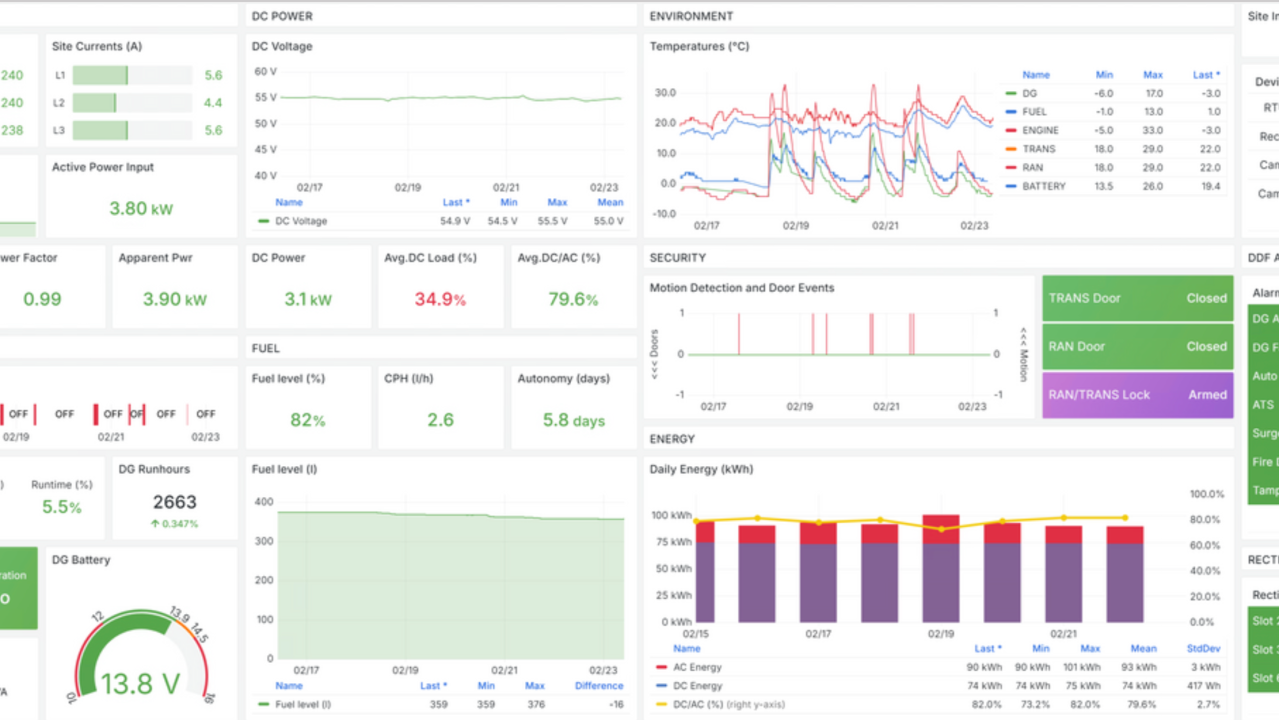
The core of this new approach is data standardization. By converting data from a wide range of intelligent equipment into a more standardized format, network operators can:
- Integrate with Existing Software Tools: Data can be integrated into the software you already use, avoiding the need for additional investments in new systems. This process is faster, cost-effective, and less disruptive.
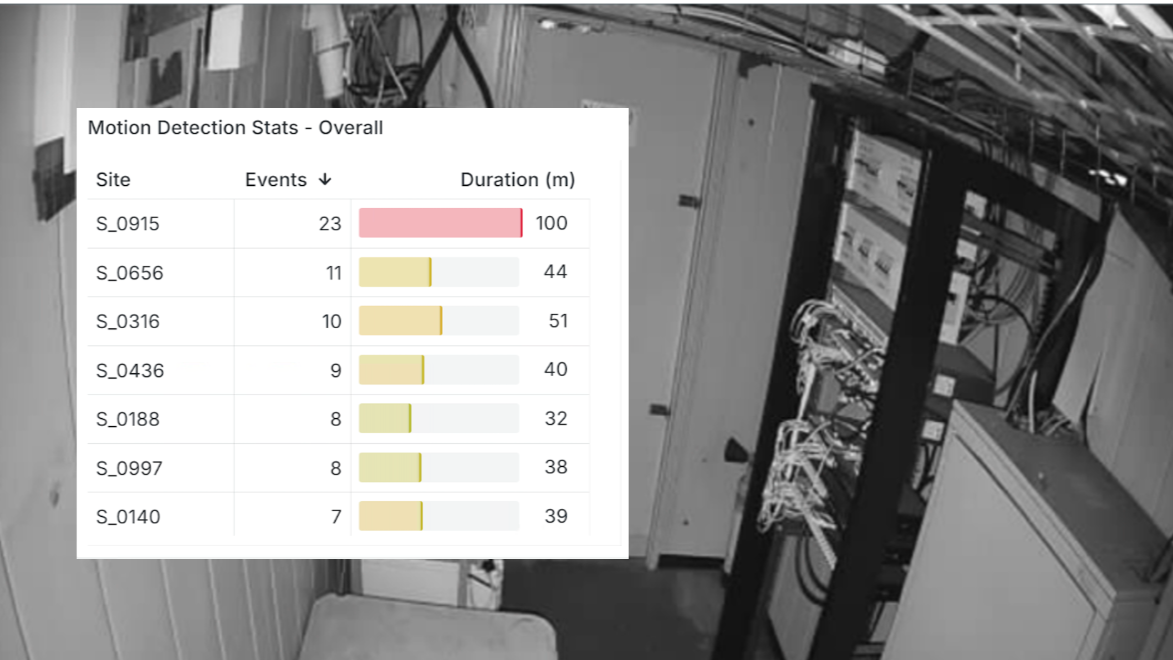
- Enhance Data Visualization: With standardized data, it’s possible to deploy cost-effective data visualization tools that offer clear insights, site comparisons, and unified views of your network and make the data available to new audiences.
- Future-Proof Your Network: The flexibility of data means that as your company evolves or adopts new tools, your normalized data can easily adapt to new tools as well.
A Glimpse into the Future - AI
AI has become more than just a buzzword; it is increasingly shaping the future of network management and AI runs on data. By integrating the normalized data from your network directly into leading AI platforms instead of into proprietary software, you can unlock predictive insights and advanced analytics. This is something that can be done today. AI tools can do predictive analysis and watch large networks for trends on power now. We’re just scratching the surface at this point. It is clear to me that this is the direction that the industry is already moving, but these methods just haven't been applied yet to operational energy efficiency.