Using IP Cameras To Enhance Telecom Network Security
 Jon Baars
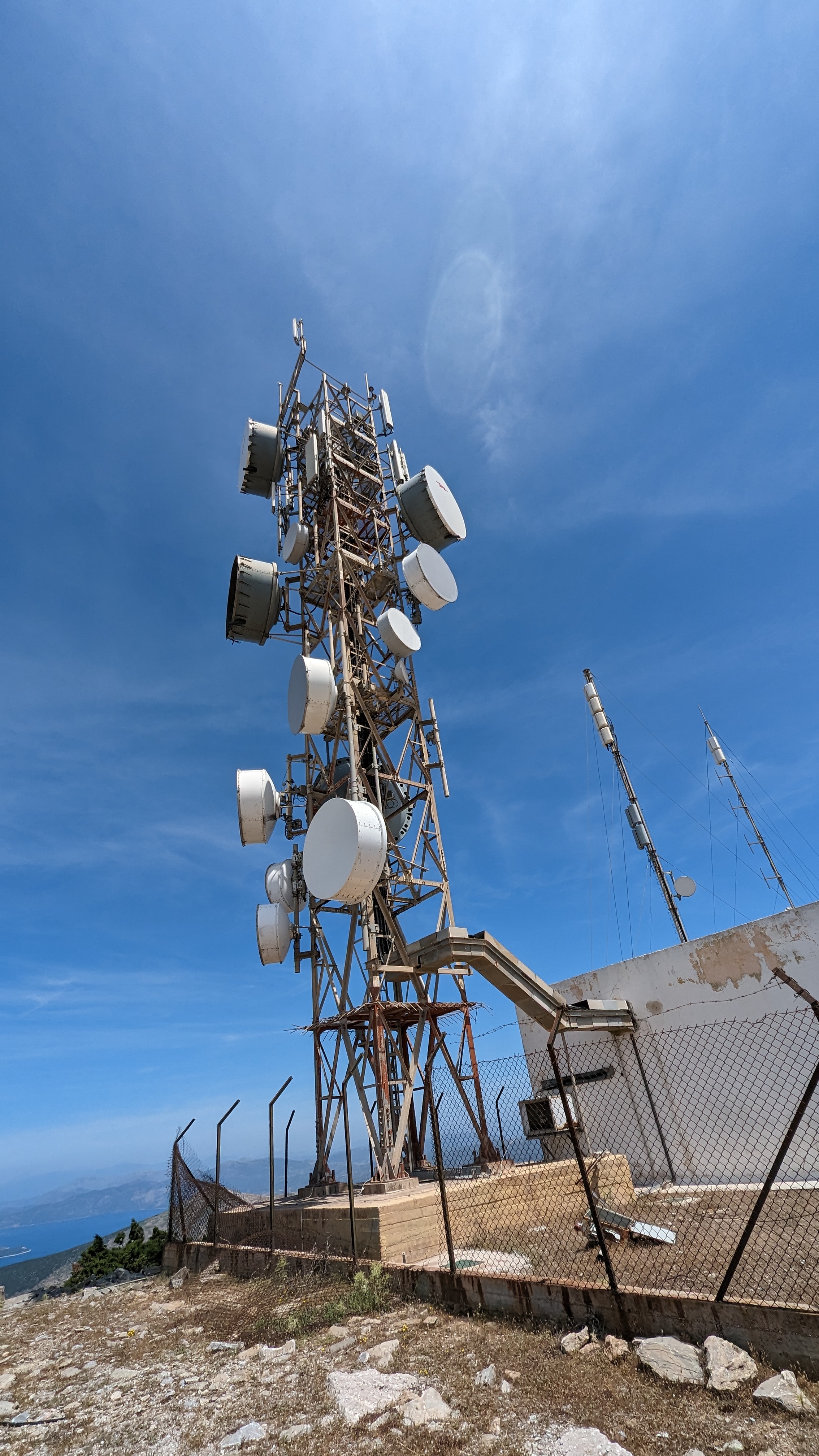
The use of IP cameras at telecommunication sites — especially cell towers — just makes sense. These sites are often targeted by thieves seeking valuable power-related equipment like copper, batteries, or diesel fuel. Cameras help detect theft early, provide visibility into conditions such as wildfires or storms, and verify who is visiting remote sites for service visits.
It is common, however, to view the benefit of having video data from sites primarily from the narrow lense of how video should solve a narrow problem, rather than being viewed from the wider lense of "what data do I need from my sites?" It is possible to look through either end of telescope, but only one view is useful. Many people working to solve problems in networks address the wrong end of the problem. "I have a theft problem and video surveillance is a known method of helping with theft. Let's review available video surveillance tools in the market." This is viewing the problem from the wrong end of the telescope. It is less intuitive, but better to view the problem as "What data should I be able to get from my sites that will make my network better?"
Video is just one type of data. We've seen networks where:
- An IP camera solution was partially implemented across a fraction of overall sites, with the data from cameras siloed in one proprietary system
- An IOT/AC meter project was partially implemented with data from the meters siloed in a different proprietary system
- An IOT solution mounted on diesel generators to measure fuel levels was partially completed with the data siloed in yet another cloud-based proprietary system.
- Different individual makes of DC plants, generators had data siloed in each separate smart controller individually or siloed in a manufacturer's proprietary element management software (EMS) on the telecom network.
In the top three cases above, a proprietary solution designed for a different industry was pressed into place. New problems have effectively been created from looking at the problem from the wrong end of the telescope.
Why Many Camera Solutions Don’t Fit Telecom Networks
Telecom networks have unique infrastructure and operational economics that make many commercial off-the-shelf (COTS) camera systems a poor fit. Consider the existing assets already in place:
Telecom networks typically already have:
- Robust backhaul networks
- Centralized 24 x 7 monitoring (NOC)
- Private or hybrid cloud data storage and infrastructure
- A low number of per-site incidents, yet thousands of widely distributed sites
- Personnel with significant technical capability
Many COTS video solutions are designed for:
- High-traffic environments (like retail)
- High-density environments (like housing or office buildings)
- Remote locations that DO need a dedicated network built with modems and routers
- Customers with no technical capability of their own
And beyond the technical mismatch, many are simply too expensive, relying on:
- Proprietary licensing or subscription models and hardware lock-in to cameras
- Public cloud storage of camera data as a service with limited integration options
- Costly add-on services that are duplicative or a poor fit
Why is Justifying COTS Camera Solutions Difficult?
Because the value doesn’t align with how telecom networks are built or operated. It's hard to justify:
- Duplicating the existing IP network or NOC (Though if you're a towerco without backhaul/NOC — that's a different story. Talk to us! We know that case too.)
- Siloed data, often taken off-network into cloud services potentially requiring re-integration.
- Premium prices for cameras
- Unnecessary Additional Services
Today’s IP Cameras Aren’t the Problem
Modern IP cameras are powerful, affordable, reliable, and heavily featured. Many cost-effective off-the-shelf cameras today:
- Are rugged and of high quality
- Include on-device storage
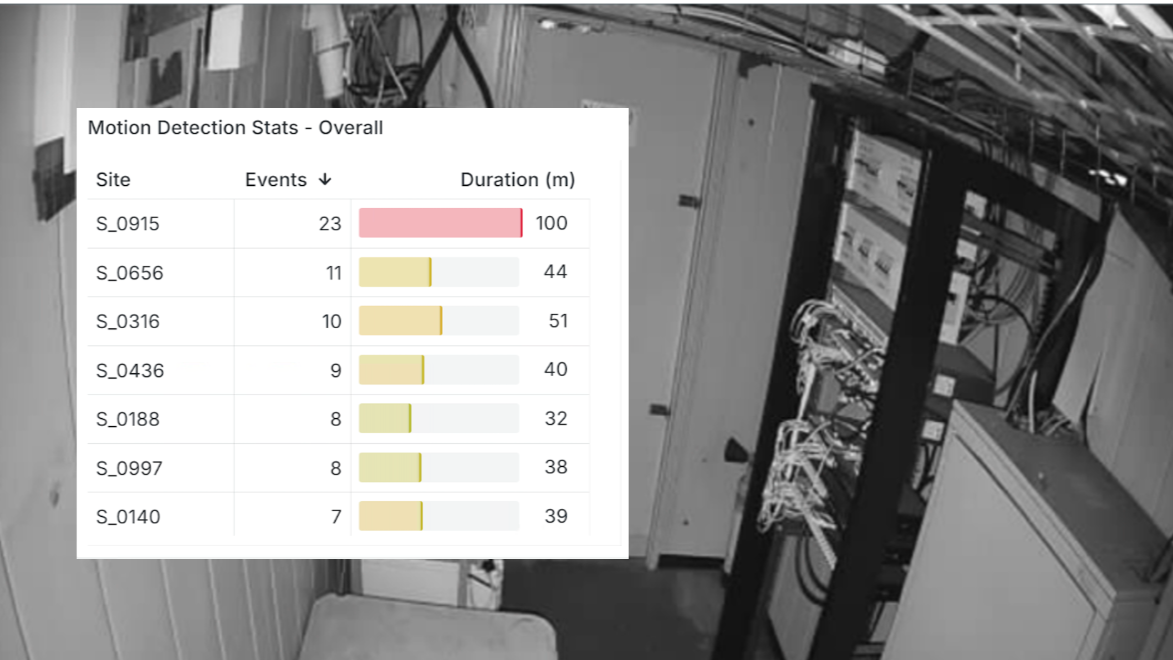
- Provide smart motion-based alerts
- Meet country-of-origin requirements
- Have many advanced features like AI detection
The challenge isn't the cameras, it's managing the data produced by the cameras.
What’s the Solution?
The same data management methods used to manage and measure data from site power equipment can be applied to organize camera data. Whether you're tracking energy efficiency, alarms, or system health, camera feeds can become another rich source of real-time, time-stamped insight. 2 for 1. If you create a data management strategy for cameras, you're well on your way to having a network energy efficiency method or vice versa. The tools and methods are the same.
Here’s a practical example:
A technician visits a site, adjusts an HVAC setpoint for comfort, and forgets to reset it before leaving. With unified, time-synced telemetry:
- You get a door/camera alert indicating site access.
- A video clip/still/live feed showing who entered.
- Changes in temperature and HVAC settings are similarly shown and correlated by time.
- All site service actions (repairs, resets, equipment changes) are seen as changes in various telemetry measurements.
All of this becomes part of the complete site event history.
4 Key Benefits of Treating IP Cameras as Just Another Site Data Source
- Just choose the best camera – No need for a separate network, licenses, or subscriptions. We have worked with very impressive cameras from a cost/feature perspective, including cameras for specific country-of-origin requirements.
- Single view – Combine site data, alarms, telemetry, and security footage in one data stream, allowing it to be viewed in visualization software or even integrated further with other data streams in the organization.
- No lock-in – Avoid camera vendor dependency and reduce tech and purchasing risk.
- Data-centric – Unify camera feeds with energy, environmental, and operational data.
Let’s Talk
We’d love to show you real data from live networks already using these camera solutions — improving site security and network energy efficiency with modern, open, and cost-effective methods. We can help you with a data method to solve all these problems.
Let’s connect. Give us a call.