The Network Energy Data Problem
 Jon Baars
Energy efficiency · Network infrastructure
Hardware upgrades get all the attention. But your biggest efficiency opportunity might be sitting in siloed, unusable data you already have.
Energy improvement conversations for telecom networks and data centers almost always start with hardware: more efficient servers, radios with advanced energy-saving features, smarter cooling, hybrid power solutions, added metering. These are real opportunities — but there's something being overlooked.
Most operators can't do any of this today — not because the equipment can't provide useful data, but because the energy telemetry data isn't usable in its current form.
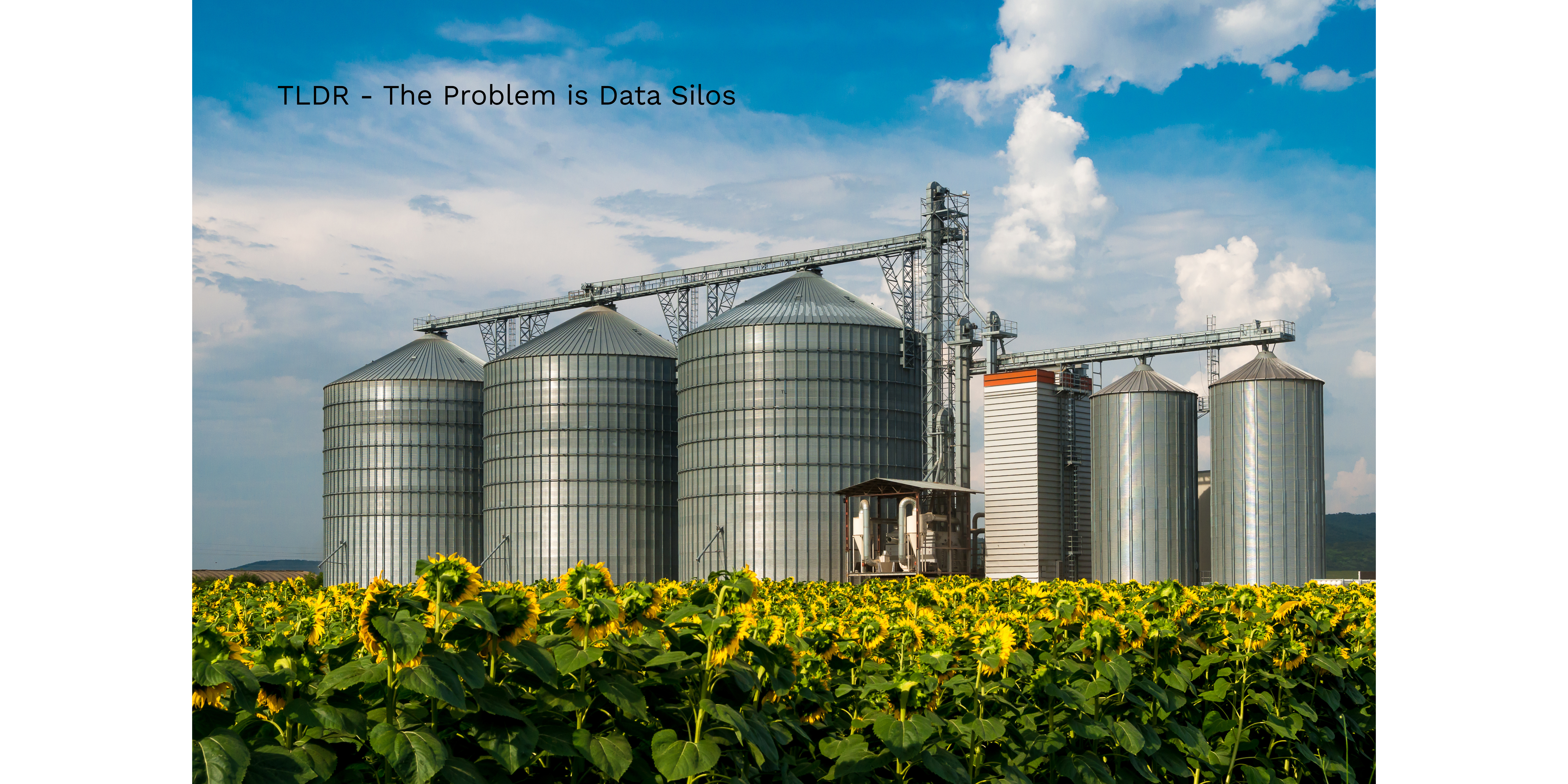
Why The Data Silo Problem Persists
The cause is straightforward. Equipment vendors compete on capability, so energy measurement, if it exists at all, feeds into proprietary management interfaces. Each vendor's data lives in its own world as vendor's try and differentiate themselves. Until recently, the tools to break down these silos simply didn't exist at a practical cost, and the proprietary tools that DID exist were themselves just new proprietary siloes of data.
What Siloed Data Actually Costs You
This isn't a theoretical problem. Siloed energy data prevents real energy management and creates real, compounding costs:
- Hardware investments intended to improve energy usage are made against assumed ROI you can't verify.
- ESG disclosures or GSMA benchmarks are educated guesses or expensive manual exercises.
- Without energy capacity data, over- and under-sizing of equipment perpetuates inefficiency.
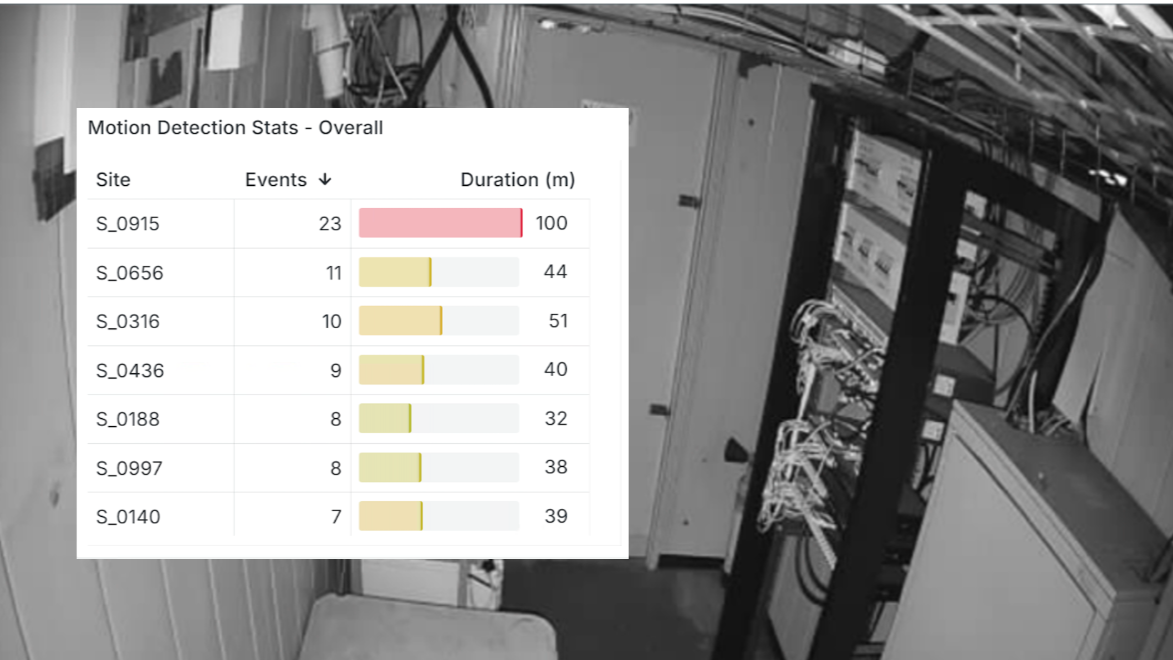
- Outlier sites, which are obvious with data, can operate inefficiently for months or years.
- Datacenter staff lose hours every month manually compiling customer energy reports and customer billing.
- Siloed data is working directly against your organization's AI readiness goals.
Every cycle without solving this is a cycle where real efficiency gets pushed to "someday" — the next refresh, a new platform, the next budget cycle. Every proprietery tool added simply compounds the problem, and most proprietary tools can't work backwards to your existing sites as it runs counter to the need to compete and sell new hardware.
The CFO Question
If your CFO asked tomorrow how much you're spending on energy, whether your efficiency metrics are actually improving, and which specific energy efficiency actions are having the biggest impact, how long would an honest answer take?
Now consider what becomes possible with standardized energy telemetry at scale:
Outliers become visible. Benchmark adherence becomes measurable. Investment decisions become defensible. AI optimization stops being a future ambition and becomes something you can act on today. The more of this data you collect, and we have collections of years of data in some cases, the more valuable it becomes.
Unlike most infrastructure investments, this one doesn't require new hardware or a platform overhaul. The open-source data streaming tools required are mature, cost-effective, and likely are already deployed in your organization. In many cases, creating this new data improves the ROI of AI investments already being made in your organization to improve customer experience or network reliability.
An Investment That's Likely Inevitable
Simply bringing your sites closer to benchmark adherence and identifying outliers can pay for this work on its own. Doing this work probably brings you into excellent alignment with your organizations overall data strategy. The data infrastructure that makes this possible is fast to deploy, and the payoff — in visibility, efficiency, and AI readiness — is disproportionate to the investment.
Every network operator should be doing this
ClaritechIO helps network operators build the standardized energy data foundation that drives real efficiency gains and clears the path for AI-driven operations. Let's talk about what that looks like for your network.