How To Measure Energy Efficiency In Your Data Center
 Jon Baars
Why a Data-First Strategy Matters
Standardized energy data across all classes and makes of equipment in your data center is the key to modern data-center energy management.
Introduction
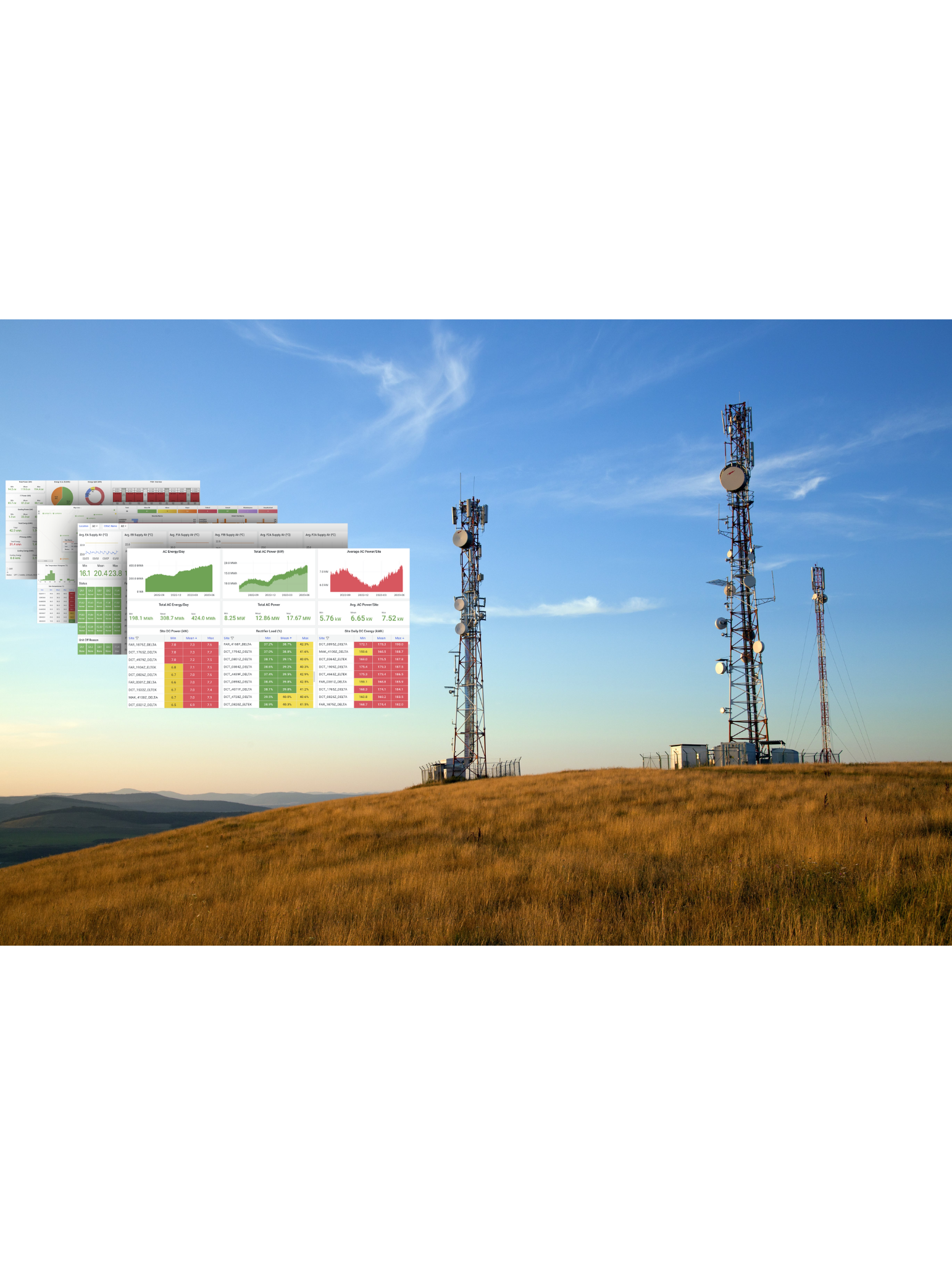
While data centers may have fewer silos than large telecom networks (as described in our paper Vendor Agnostic Energy Efficiency), the underlying problem is the same: fragmented systems by equipment brand and equipment class create data silos that prevent you from viewing and optimizing your full infrastructure. The solution is the same too. New open-source data streaming technology that is being implemented across every industry.
A core function of most data centers is to maximize use of physical space, increase power density, and minimize cooling cost — either to maximize the efficiency of internal operations or to sell capacity as competitively as possible. With growing demand from AI workloads, energy capacity and efficiency are quickly becoming critical bottlenecks for today’s data-center business models.
How Capacity, Energy Efficiency, and Billing Work Together
Capacity planning sits at the heart of reliable, profitable operations. To get it right, operators need accurate visibility into rack space, energy use, cooling efficiency, and backup power systems. Without unified data, efficiency gains are harder to achieve and risks are harder to mitigate. Better measurements of energy data allow for better capacity planning. Integrating data streams from actual power usage by device can be integrated with data streams reflecting energy sources and costs, enabling a better way of competing for and billing data center customers. Adding billing data to the power consumption data of your equipment also gives direct insight into how data center power performance is affecting your energy spending.
A Data-First Approach
At ClaritechIO, we’ve seen how data streaming and a data-first strategy transform data-center management. Accurate, standardized data is the smallest common denominator of network management — the foundation everything else depends on.
Traditionally, improving data-center network and energy management has meant one of two things:
- Replacing hardware — swapping cooling systems, meters, rectifiers, generators, PDUs, or other equipment for newer models with “better” and more consistent management interfaces. This often leads to vendor lock-in simply to maintain consistency.
- Replacing software — adopting a new platform such as Data Center Infrastructure Management (DCIM), Building Management Software (BMS), or Element Management Software (EMS).
Standardized data is better. It doesn’t require replacing existing hardware or committing to new back-end software. Instead, it generates clean, flexible data streams that can be used across your organization.
Why Standardized Data Wins
- Lower risk, lower cost, faster results. Create the standardized stream first — avoid big hardware/software changes and the inevitable data standardization work afterward. There is also nothing stopping you from layering standardized data streaming on top of other tools in your network.
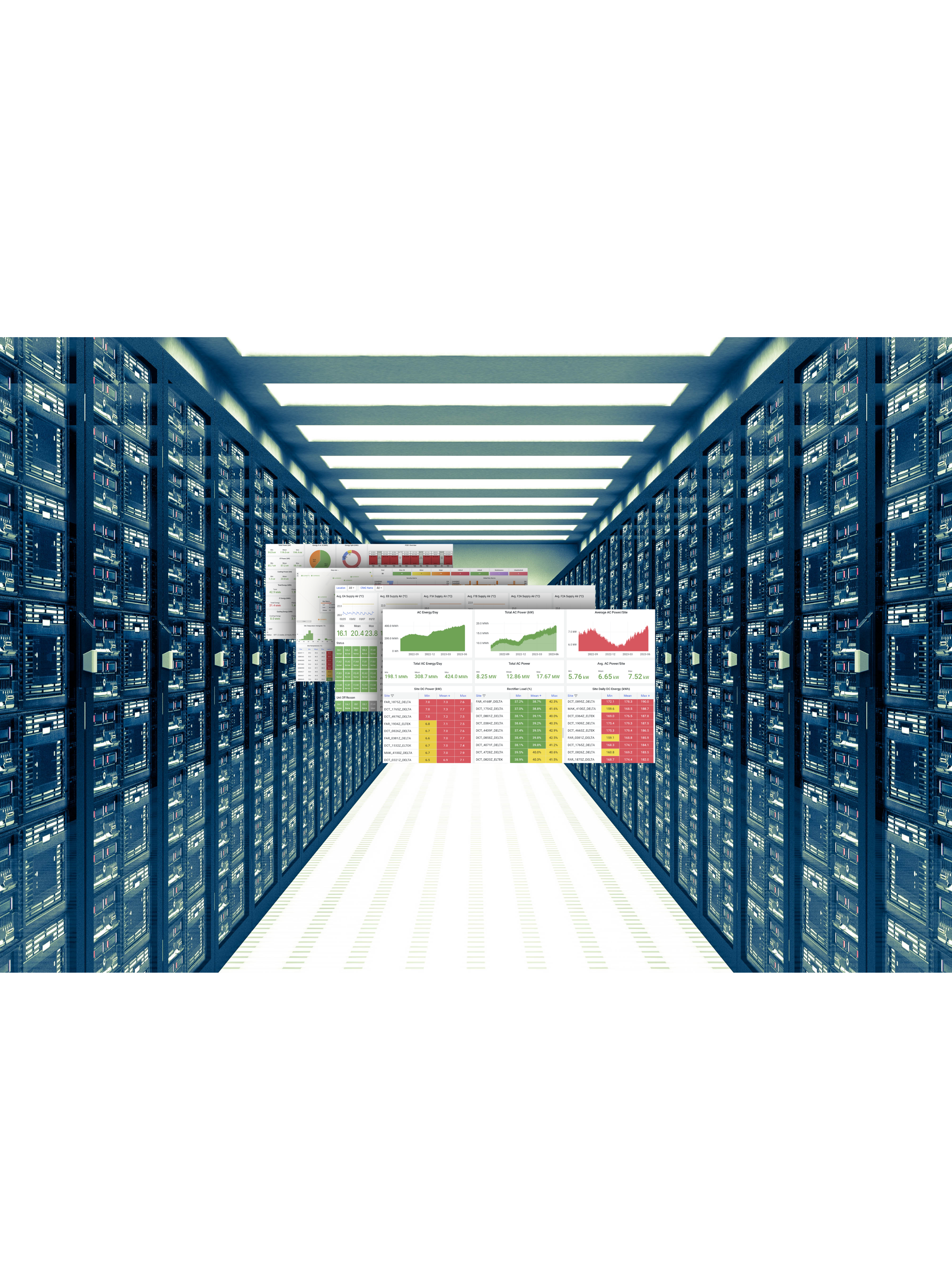
- Open-source flexibility. Stream into Grafana (observability with built-in AI/ML), your existing tools, or directly into your broader data infrastructure via Apache Kafka, which is also a great method for taking near real-time monitoring data into new AI tools.
- Pilot first, scale fast, minimal disruption. Start small, prove the value, and expand as an overlay without disrupting current processes.
Key Benefits for Data Centers
- Integrated billing. Tie energy data directly into financial workflows.
- Unsilo Data. View unlike items together. Power, cooling, GPU telemetry, billing in new views to support business decision-making.
- Vendor-agnostic design. Mix and match equipment vendors without creating new silos.
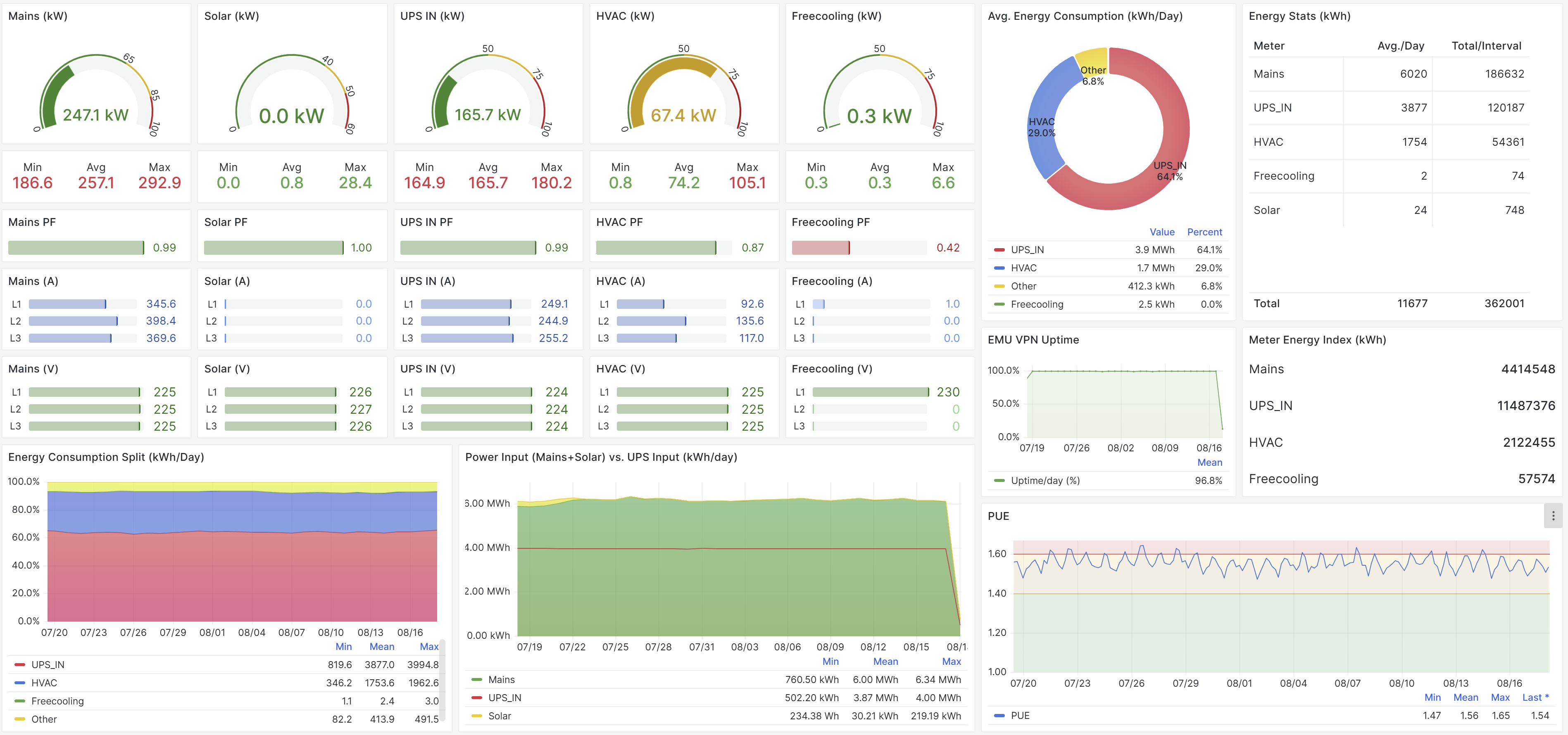
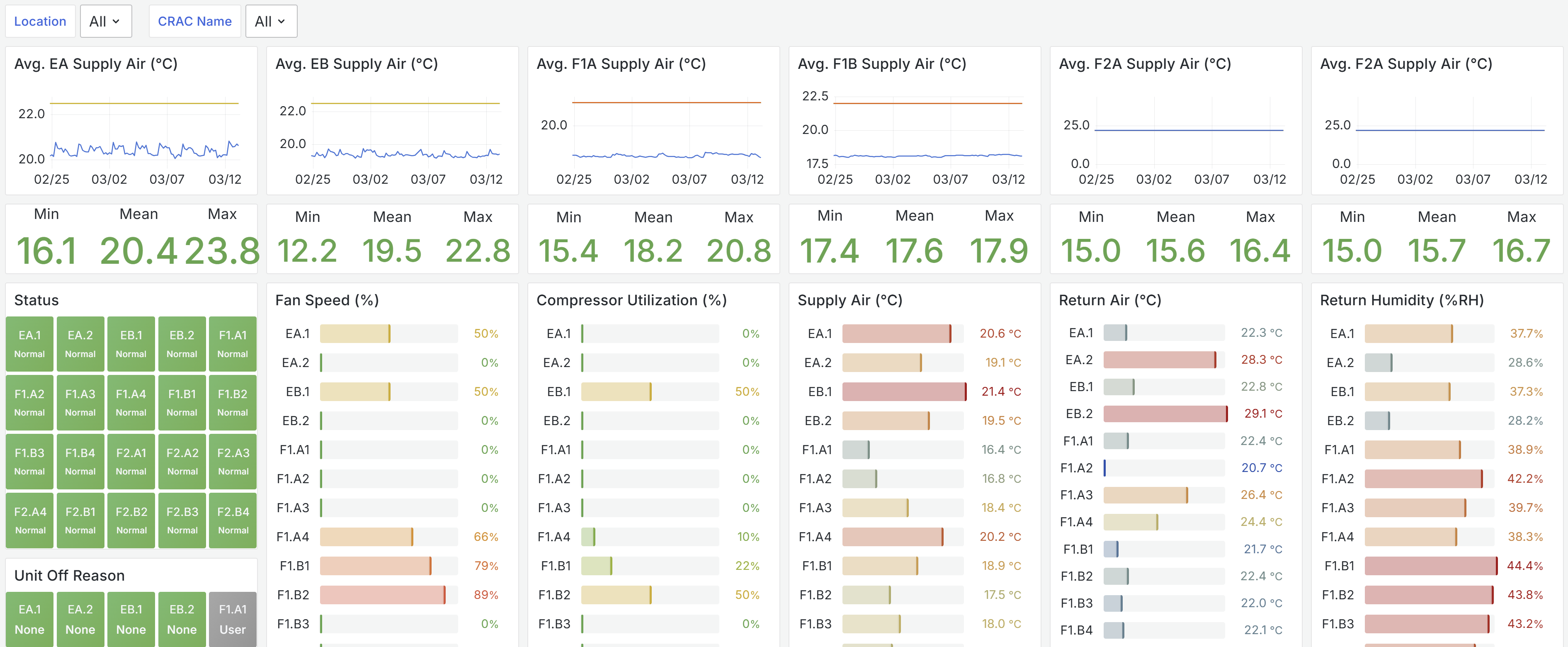
- Clear visibility. Real-time dashboards for energy, cooling, and backup systems as well as creation of new metrics like power usage effectiveness (PUE).
- Smarter capacity planning. Use standardized data to forecast and optimize.

Closing Thought
Energy efficiency has always been a goal in data centers, but the same barriers — especially data silos — have limited progress. Modern data-streaming technology is simply a better solution and it is being adopted across most industries to support AI. These tools aren’t just better than legacy approaches; their arrival in all organizations now seems inevitable. We expect data-streaming technology will be everywhere in the future, and early adopters will benefit the most. We really view this as a strategic imperative and that NOT factoring in the arrival of tools proposed here is a major strategic mis-step.
The good news is that network energy efficiency measurement at a granular level has largely not been attempted to this point, largely due to the fact that results from existing tools have been mixed (again, data silos are largely to blame). A major challenge that data streaming is solving in every organization is unsiloing data from legacy systems. Legacy systems are are not something we are really burdened with here. Most people have not gathered large amounts of energy and energy-related data about their own networks. The energy efficiency ability we describe here can simply be added on top of your current network as a valuable new service in your network.
What we've accomplished in real projects using these tools is a complete leap ahead of solutions we ourselves were delivering using proprietary tools just a few years ago. We have multiple data center examples where we are gathering over 20k+ telemetry points per minute and the upfront cost is less than older systems that only provided you basic alarming. You can probably sense that we are very excited about what these tools open up as possibilities, not just in the form of immediate delivery of dashboards, but later as we begin to integrate the data streams created here with other data. These systems can create new data themselves. We've created new SLA metrics in some cases. This data is very compatible with new AI tools. We're interested to match the energy data we're creating with energy telemetry directly from GPU's. Other applications that are opening up relate to billing. A competitive advantage where you deliver much more precise and automated energy bills as part of your data center services. Dashboards are just the beginning.
Let us show you how this works in real networks. We'd be happy to show live examples and answer any questions you have so you can make up your own mind. Just drop us a line! - [email protected]